Art and science / Free preview
A Plant Specimen Is a Compressed Landscape
Reading a herbarium sheet and an Anna Atkins cyanotype reveals what scientific images preserve and what they leave out.
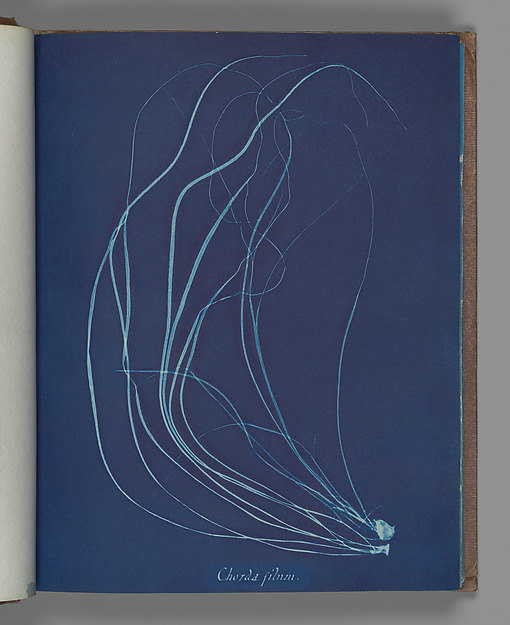
A pressed plant is a landscape that has been made thin enough to file. Its roots no longer enter soil. Its leaves no longer turn towards the light. The plant has become available to the eye in a way that the living thing never was.
Look at a herbarium sheet as an arrangement. A stem travels across the paper. Leaves are spread so that some of their surfaces can be inspected. A label occupies another area, adding words to the flattened body. It is possible to enjoy this arrangement before knowing what the plant is, but the pleasure becomes more interesting when you ask why it has this shape.
Kew describes herbarium specimens as plants preserved through drying and pressing or in fluid, with digital records combining specimen images and information from collection labels. [1] These are working records. Their visual qualities emerge from the effort to make a particular piece of life identifiable and available for later study.
Read next
 Objects · Free to read
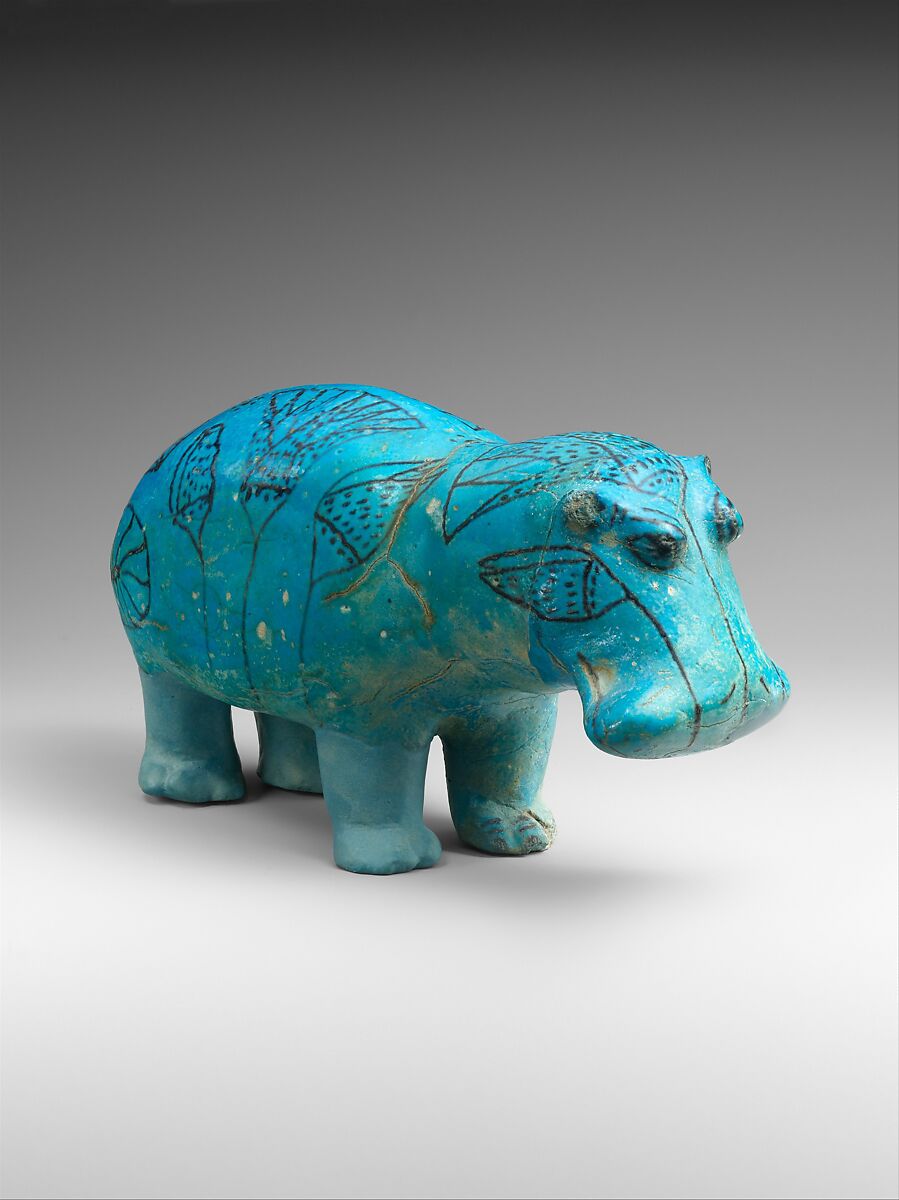
The Blue Hippo Carries More Than a Pattern
William’s lotus-covered body is at once an animal, a landscape and a repaired object. Its friendliness is the beginning of a reading, not the end.
Read the essay ↗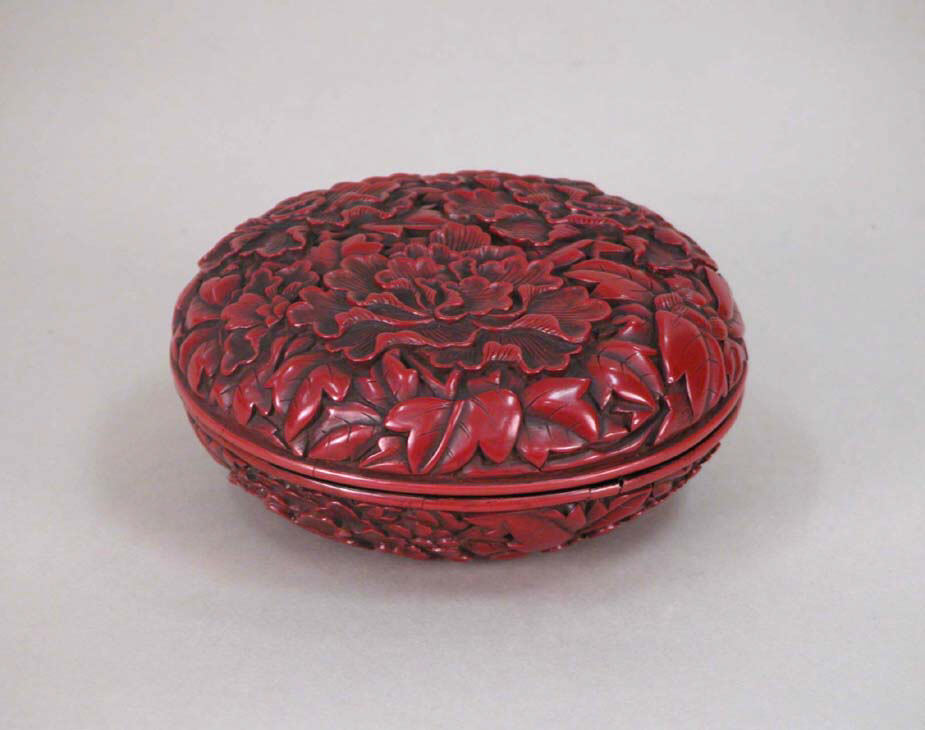 Material Histories · Free to read
Lacquer: A Surface Made of Time
A carved red box reveals why a finish is not merely the last step: building a surface can create the material from which ornament is cut.
Read the essay ↗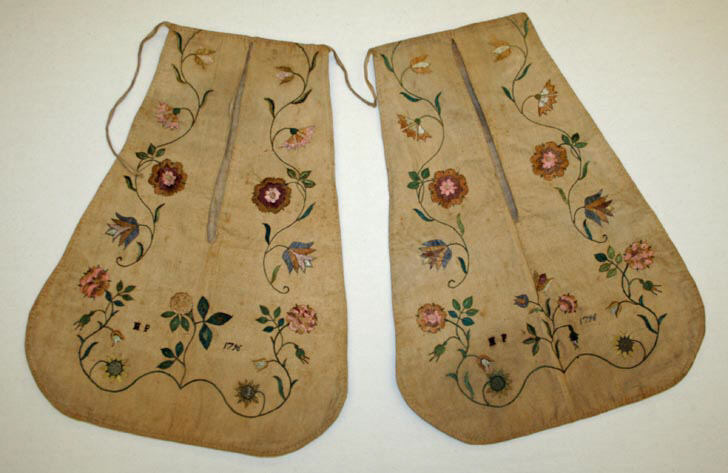 Dress & Power · Free to read
A Pocket Is a Question of Access
A detachable eighteenth-century pocket complicates the story that women simply had no useful storage. Look at the opening, the tie and the route of the hand.
Read the essay ↗