Spaces / Free essay
Why Does Every Café Look Like a Gallery
An imagined café reveals how empty space can turn an ordinary purchase into a performance of taste.
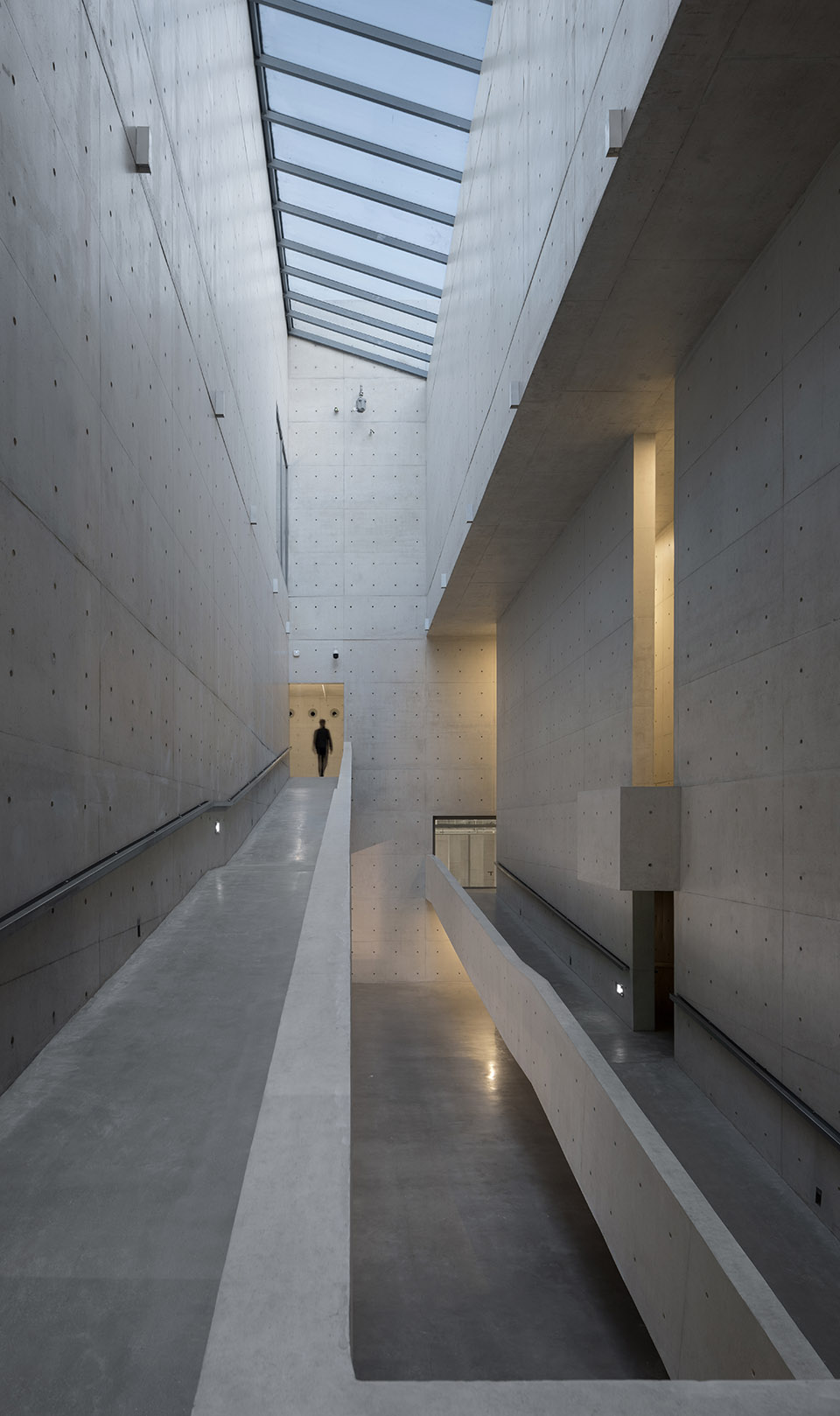
Picture a café with three steel stools, a concrete counter and one branch in a vase. The menu is smaller than the empty wall behind it. A pastry sits alone beneath a spotlight, as if someone has decided that its crust deserves a retrospective. Before you taste anything, the room has already asked you to appreciate its restraint.
This is an imagined café, assembled from a familiar visual vocabulary. Its appeal is easy to understand. There is relief in a room without posters shouting at you or shelves overloaded with things. The eye can settle. A cup has an edge again. Yet the same room also makes a surprisingly demanding proposition: you should know why so little is enough.
Empty space changes how an object is encountered. Put a vase among twenty others and you compare it with its neighbours. Place it on a plinth and looking becomes an assignment. The café borrows this mechanism. A solitary chair or a pastry separated from the queue gets a portion of the attention normally reserved for an exhibit. Display becomes part of the service.
The interesting question is what survives this transfer. In a gallery, distance can protect an object and encourage inspection. In a café, distance has to coexist with bodies, coats, spills and conversation. A counter needs somewhere to put a bag. A chair must accommodate more than its own silhouette. The room has two audiences: people using it and people looking at its photograph.
These audiences may want different things. A pale wall and a severe stool can make a compelling image. The person on the stool may want a cushion. An uninterrupted floor looks generous until someone needs another table. Design decisions that improve a photograph can quietly make hospitality harder, although they do not inevitably do so. A restrained room can still be warm, accessible and comfortable.
What gives a spare interior its authority is often the suggestion that everything has been selected. There may be fewer objects, but each one carries a larger claim. The branch must appear accidental in precisely the right way. The chipped ceramic cup must look singular rather than neglected. When the claim works, customers feel that their own taste has been recognised. Buying a drink becomes a small act of affiliation.
It is tempting to call this pretentious and move on. That misses the pleasure of it. We do want ordinary places to offer visual intelligence. There is nothing embarrassing about enjoying the shadow of a window on a wall. The problem begins when a room treats visible use as an interruption. A café should not need its customers to behave like temporary installation assistants.
Try looking at one after the photograph has been taken. Where do people put their umbrellas? Which seats remain empty? Does the room become more interesting when it fills up, or merely less tidy? These details say more about its design than the isolated branch.
A good café can borrow a gallery's care without borrowing its distance. The cup can be beautiful and the table forgiving. The chair can make a visual argument while letting somebody finish a conversation. The real achievement is a room whose composition survives the arrival of other people.
Read next
 Objects · Free to read
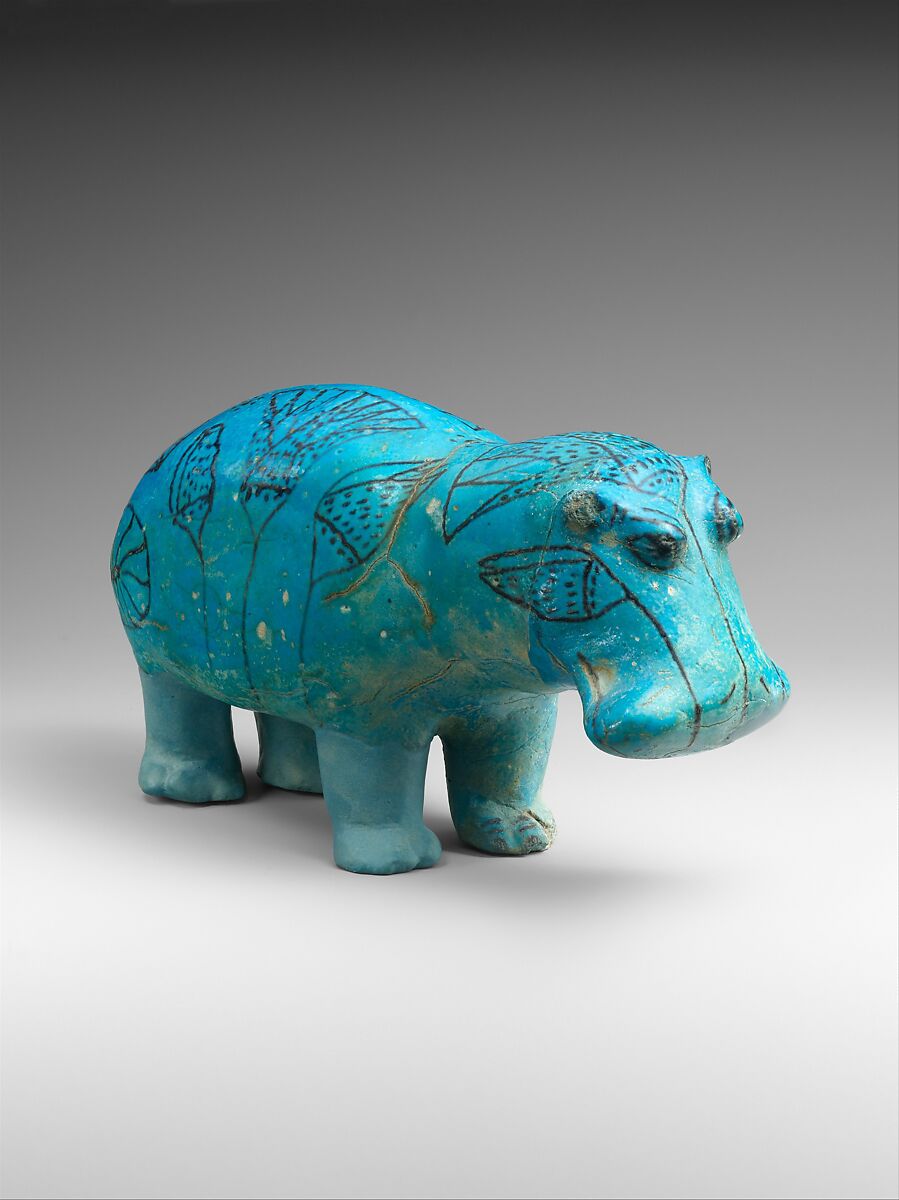
The Blue Hippo Carries More Than a Pattern
William’s lotus-covered body is at once an animal, a landscape and a repaired object. Its friendliness is the beginning of a reading, not the end.
Read the essay ↗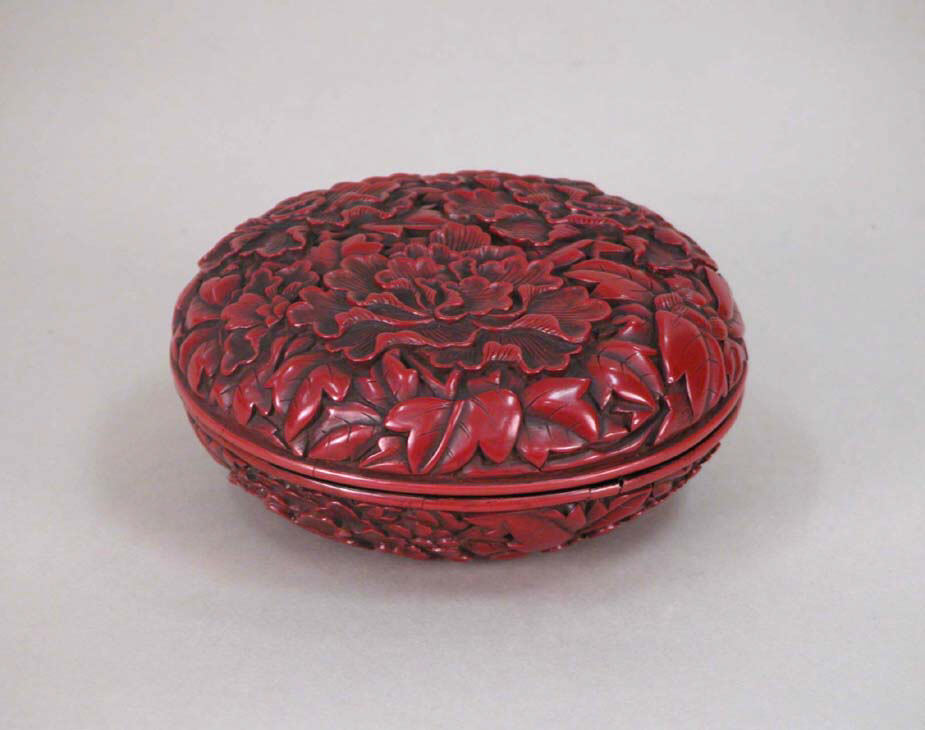 Material Histories · Free to read
Lacquer: A Surface Made of Time
A carved red box reveals why a finish is not merely the last step: building a surface can create the material from which ornament is cut.
Read the essay ↗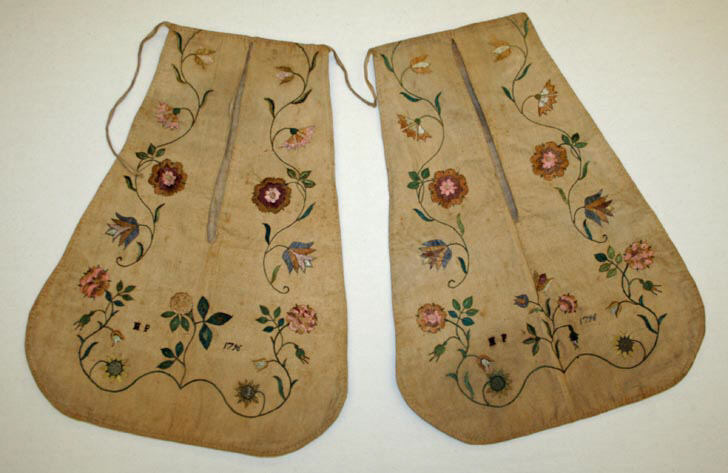 Dress & Power · Free to read
A Pocket Is a Question of Access
A detachable eighteenth-century pocket complicates the story that women simply had no useful storage. Look at the opening, the tie and the route of the hand.
Read the essay ↗